
Anaesthesia labels: a pillar of medication safety in the operating theatre
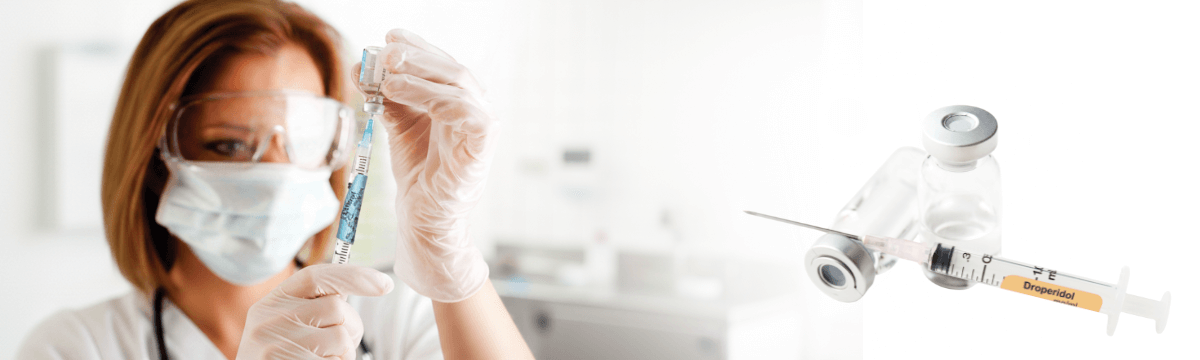
In anaesthesia and intensive care environments, the management of injectable medicines requires absolute precision. Anaesthesia labels are a fundamental element of patient safety, enabling clear, rapid and reliable identification of the prepared and administered medicines. Accurate labelling significantly reduces the risk of medication errors and helps to ensure compliance with the regulatory standards in force in healthcare establishments.
Safety and
regulatory compliance: a vital issue in anaesthesia
Errors
linked to unlabelled or incorrectly identified medicines can have serious or
even fatal consequences. In anaesthesia, where several fast-acting substances
are used simultaneously, standardised labelling is essential. Safe medication
management practices strengthen patient protection while helping healthcare
teams to meet national and international regulatory requirements. A correctly
identified medicine ensures reliable administration and protects the patient at
every stage of treatment.
Anaesthesia
labels designed for patient safety
PDC
anaesthesia labels are specifically developed to meet the requirements of the
operating theatre and high-pressure clinical situations. Their design serves to
ensure optimum legibility and immediate identification of injectable medicines.
With identification fields that comply with hospital requirements and areas
provided for noting critical information by hand, they support good anaesthesia
practice and limit the risks of confusion.
ASTM colour
coding: clear identification for correct administration
Standardised colour coding in accordance with ASTM D4774 is a key lever to prevent medication errors in anaesthesia. Each pharmacological class is associated with a specific colour, enabling instant recognition of medicines, even in emergency situations. This standardisation improves communication between healthcare professionals, makes decision-making safer and reduces the risks linked to the administration of incorrect medicines.
Formats
adapted to clinical practice in anaesthesia
The
anaesthesia labels are available in different formats to fit syringes, vials
and protocols used in hospitals. Their material and adhesive are designed to
provide reliable attachment during the handling, transport and storage of
medicines. This adaptability enables seamless integration in the daily
workflows of operating theatres and anaesthesia departments.
A wide range
of standard and custom anaesthesia labels
To meet the
varied needs of healthcare establishments, PDC offers a wide range of
anaesthesia labels available from stock. Where specific requirements are
needed, customised labelling solutions can be developed to match internal
protocols, workflows and regulatory requirements precisely. This flexibility
guarantees optimum consistency between patient safety and healthcare
organisation.
Label
dispensers for optimum organisation
The
organisation of the anaesthesia workplace has a direct influence on the speed
and reliability of clinical procedures. Anaesthesia label dispensers provide
immediate access to the label rolls, improving the visibility and management of
the different classes of medicines. Clear organisation helps to reduce stress,
limit errors and improve overall safety in the operating theatre.
Training and
support for durable labelling practices
Medication
safety depends as much on the tools used as on the skills of the teams. PDC
provides healthcare professionals with special training in the labelling of
anaesthesia medicines and the use of ASTM colour coding. This support
encourages the adoption of consistent and durable practices that comply with
safety standards, while strengthening the performance of healthcare teams.
PDC, a
partner in patient safety in anaesthesia
In addition to its products, PDC is committed to working alongside healthcare establishments to improve patient safety and the quality of healthcare. By combining regulatory expertise, reliable labelling solutions and continuous support, PDC helps to make anaesthesia safer and assist teams in their daily work. In an environment where every detail counts, a clear and compliant anaesthesia label can make all the difference.
 Customer satisfaction
 24 hour delivery
 Customer service