
Patient identity monitoring in maternity wards: securing the mother-child bond using new identification technologies
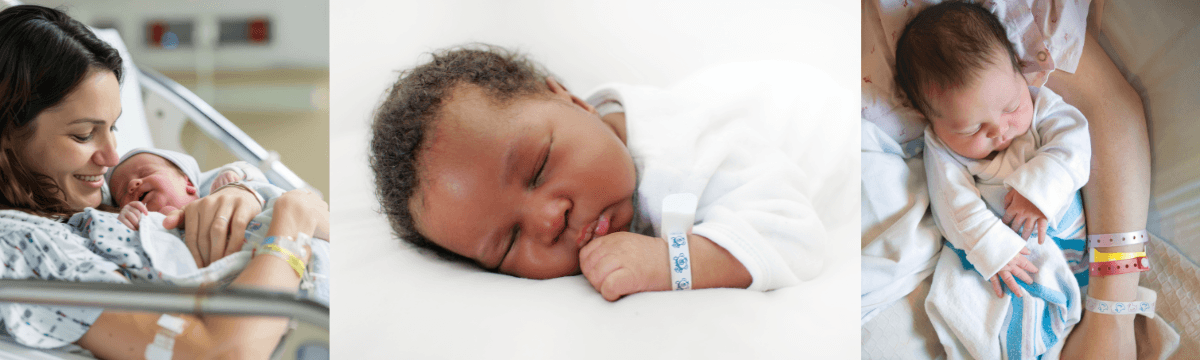
The birth of a child is one of the most critical and sensitive moments in a healthcare facility. In the hustle and bustle of delivery rooms and given the technical nature of neonatal units, the implementation of a rigorous identity monitoring protocol is fundamental to the safety of care. Ensuring that every newborn baby remains bonded to his or her mother, from the first second of life until discharge from hospital, requires a combination of state-of-the-art technology and impeccable physical supports. Identification must no longer be seen as a mere administrative formality, but as an act of care in its own right that prevents medical errors and mistaken identities.
The matching
system as the foundation of patient identity monitoring in hospitals
The most robust method for securing the relationship between the mother and her newborn relies on matching systems that use identical serial numbers. This practice consists of fitting wristbands with a unique numerical code that is identical for both mother and baby right from the moment of birth. In the delivery room, even before any separation for the paediatric examinations, the nursing staff must fit these devices. This immediate synchronisation creates an inviolable physical and digital link. The use of our pre-assembled kits ensures that information cannot be accidentally separated, thus providing a visual and systematic safety barrier during every interaction between the healthcare staff and the family.
The choice of materials that respect the newborn’s skin
Over and above the accuracy of the data, the comfort of the newborn is a major clinical imperative, particularly in neonatal intensive care units. The skin of premature babies and newborns is extremely thin and permeable, making the choice of materials crucial to avoid skin lesions. Modern solutions favour extra-soft vinyl or wristbands lined with medical-grade foam, such as the models in the Foamband range. These hypoallergenic supports minimise the risks of irritation or dermabrasion while providing a secure hold. A good wristband must fit snugly around the wrist or ankle to compensate for the physiological weight loss of the first few days, without ever slipping off or compressing the baby’s limbs.
The contribution of thermal printing and barcodes to traceability
The evolution of practices towards digital technology has transformed traditional medical labelling into a dynamic traceability system. The use of high-performance solutions such as ScanBand wristbands and PDC thermal printers is now replacing handwriting, which is often illegible or subject to erasure by water, alcohol or care products. By integrating a barcode or RFID chip, healthcare establishments can automate identity checks before administering any treatment or giving breast milk. This technology, complemented by our high-precision laboratory labels for tracking samples, means that data can be read quickly and reliably, even in the darkness of a room or through the walls of an incubator. The resistance to liquids and the durability of the inks ensure that the information remains intact throughout the hospital stay, providing perfect continuity of the newborn’s identity.
A necessary collaboration between caregivers and families
The success of a patient identity monitoring strategy in the maternity unit also depends on the active involvement of parents. They must be informed of the crucial importance of the wristbands and encouraged to check that the information is accurate as soon as they are fitted. Transparent communication between the medical team and the families strengthens collective vigilance. Parents then become the final links in the safety chain, reporting any wristbands that might become loose or illegible. By combining strict hospital protocols, materials that respect neonatal physiology and reliable data capture technologies, healthcare establishments ensure maximum protection and total peace of mind during the first days of life.
 Customer satisfaction
 24 hour delivery
 Customer service