
Blog
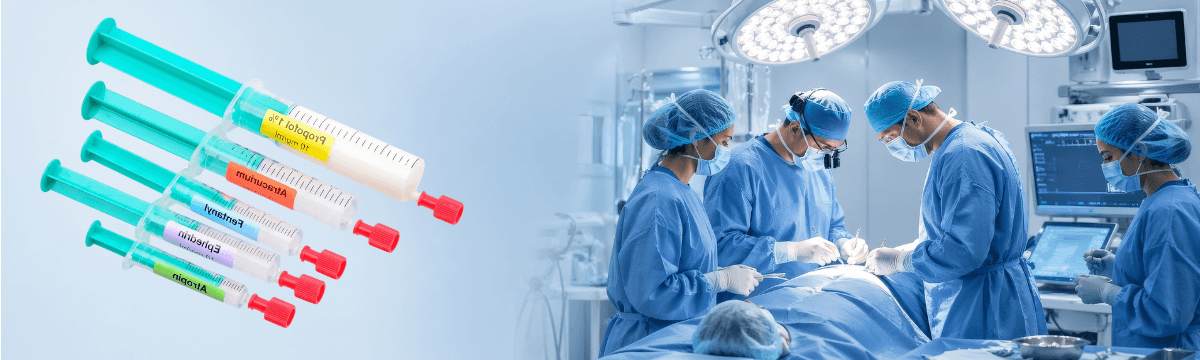
In the high-pressure environment of the operating theatre and recovery rooms, the management of injectable medicines requires absolute precision on the part of healthcare teams. A simple mix-up with a syringe or a labelling error can have serious consequences for the patient. To meet the strict requirements of anaesthesiologist-resuscitation doctors and anaesthesia nurses, PDC Healthcare is developing a comprehensive range of anaesthesia labels specifically designed to ensure immediate visual identification and limit any risk of human error during administration.
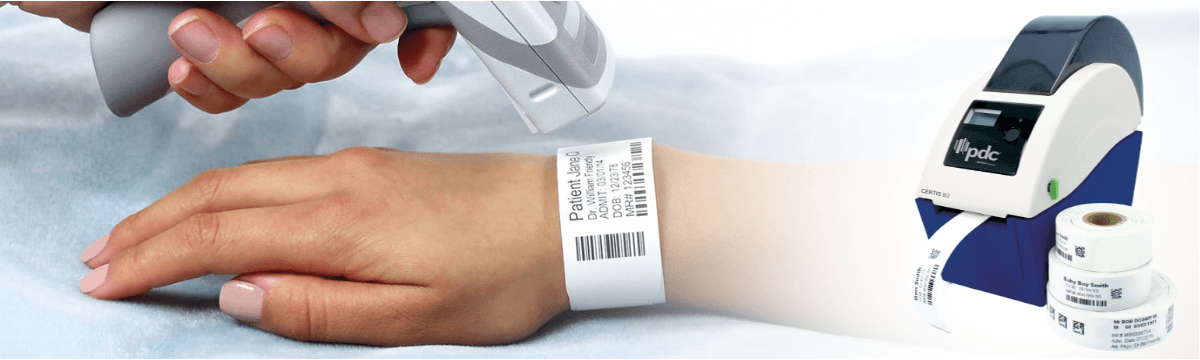
In a healthcare centre, accurate patient identification is the first link in the safety chain. An error in reading or an illegible wristband can compromise the provision of care. To guarantee maximum safety, your choice of printing equipment is crucial.
Here are the 5 essential criteria for choosing the right wristband printer for your establishment.
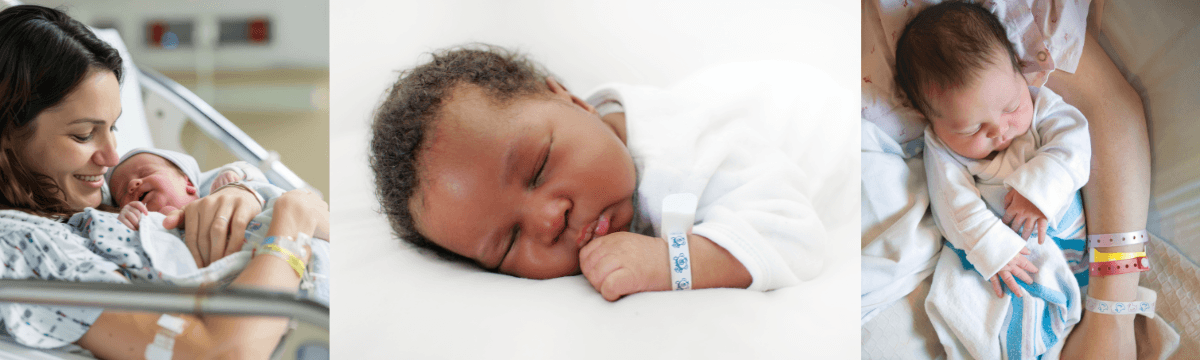
The birth of a child is one of the most critical and sensitive moments in a healthcare facility. In the hustle and bustle of delivery rooms and given the technical nature of neonatal units, the implementation of a rigorous identity monitoring protocol is fundamental to the safety of care. Ensuring that every newborn baby remains bonded to his or her mother, from the first second of life until discharge from hospital, requires a combination of state-of-the-art technology and impeccable physical supports. Identification must no longer be seen as a mere administrative formality, but as an act of care in its own right that prevents medical errors and mistaken identities.
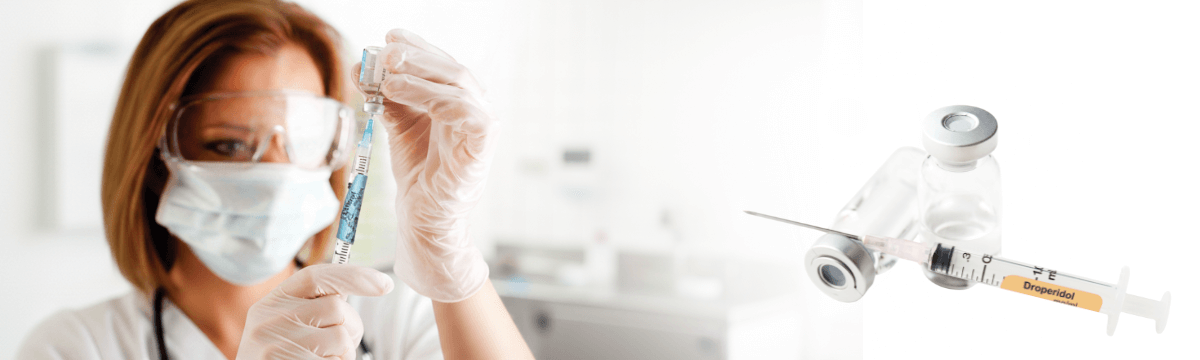
In anaesthesia and intensive care environments, the management of injectable medicines requires absolute precision. Anaesthesia labels are a fundamental element of patient safety, enabling clear, rapid and reliable identification of the prepared and administered medicines. Accurate labelling significantly reduces the risk of medication errors and helps to ensure compliance with the regulatory standards in force in healthcare establishments.

Unlike traditional handwritten or laminated wristbands, a thermal wristband is clearly, precisely and durably printed. The text and barcodes remain perfectly legible, even after repeated exposure to water, alcohol-based solutions and friction as a result of day-to-day care. This level of durability is essential to avoid any confusion, particularly when taking samples, administering medication or giving transfusions, where incorrect identification can have serious consequences.

In a hospital environment, every accessory handled on a daily basis can become a potential vector for cross-contamination. Identification lanyards, used to carry badges and access cards, are no exception. Passed between different care areas and handled many times, they can quickly accumulate micro-organisms.
Incorporating antimicrobial materials into these products represents a simple, sustainable and effective solution for improving hospital hygiene.

In a busy hospital environment, patient identification errors can occur. These errors, sometimes caused by similar names or medical conditions, can have serious consequences, ranging from incorrect treatments to delays in care. These situations can be avoided with the right tools and practices.
Incorrect identification can lead to errors in medical records, loss of valuable staff time, costs for hospitals and, above all, potentially irreversible damage to patients. Here are four essential ways to reduce these risks and optimise hospital operations.
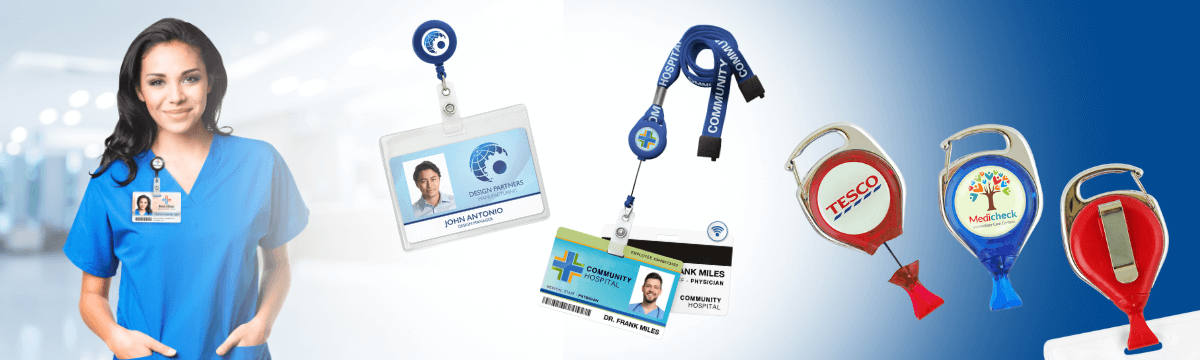
In the hospital sector, efficiency, safety and convenience are top priorities. The devices often used to meet these needs are reel badge holders, also known as "yoyos" or "reel zips", and badge holders, which play an essential role. These accessories are especially suitable for healthcare professionals who require quick access to their ID badges and need to keep them secure. Find out how these products offered by PDC Healthcare improve the daily lives of hospital workers and deliver optimum access management.
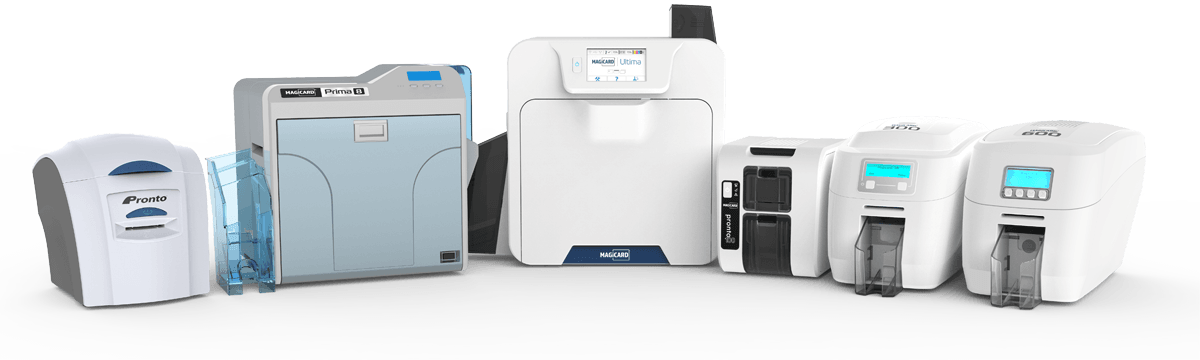
In the hospital sector, safety, efficiency and organisation are crucial to the smooth running of healthcare centres. Rapid and accurate identification of patients, staff and visitors has become essential, especially in the current context of pandemics and heightened health regulations. ID card printers play a crucial role. Magicard printers, renowned for their performance and reliability, offer tailor-made solutions to meet the specific needs of the medical sector.
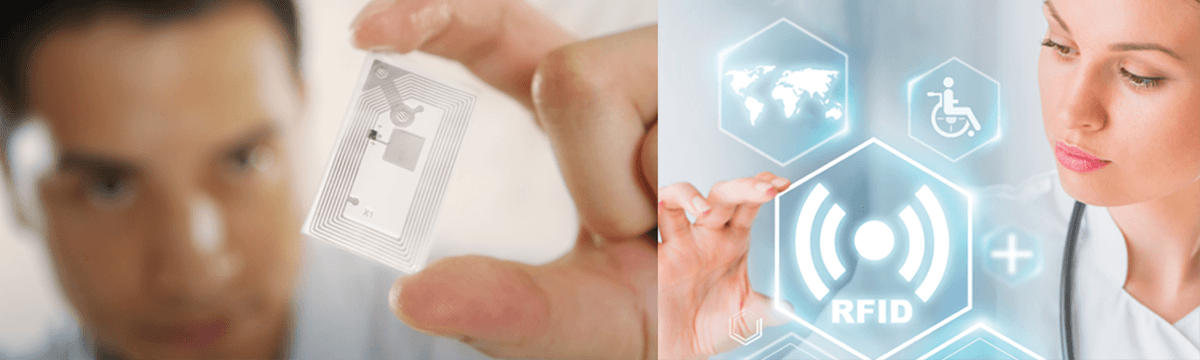
RFID technology is increasingly present in a wide range of sectors, from retail to industry and leisure. But did you know that it’s now an essential part of hospital management? RFID technology can be very useful as it improves traceability, automates logistical processes, reduces medical errors and optimises workflows, leading to more efficient management of medical resources.
 Customer satisfaction
 24 hour delivery
 Customer service