
Thermal Wristbands: a reliable and durable tool for patient safety
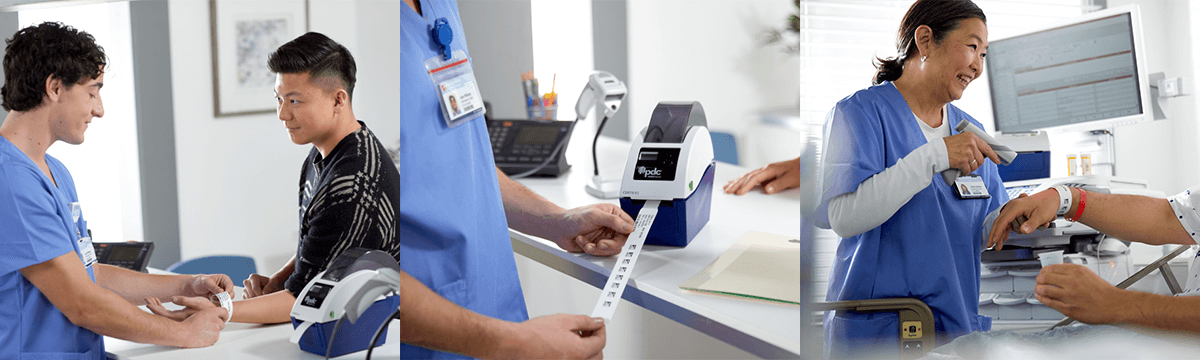
Unlike traditional handwritten or laminated wristbands, a thermal wristband is clearly, precisely and durably printed. The text and barcodes remain perfectly legible, even after repeated exposure to water, alcohol-based solutions and friction as a result of day-to-day care. This level of durability is essential to avoid any confusion, particularly when taking samples, administering medication or giving transfusions, where incorrect identification can have serious consequences.
Thermal bracelets are suitable for all types of patients – adults, children and newborns. Their flexible, lightweight material makes them comfortable to wear, even for sensitive patients or during prolonged hospitalisation. PDC Healthcare’s wristbands are designed to be comfortable to wear while offering the high level of resistance required in demanding hospital environments. This combination of comfort and resistance makes them an essential tool for guaranteeing patient safety on a daily basis.
How thermal wristbands for patients work
PDC Healthcare thermal wristbands use direct thermal printing technology to record critical patient information. With our thermal printer, you can quickly print names, file numbers and barcodes without the need for traditional ink. This technology ensures that data can be read reliably and quickly, which is essential for hospital safety and the efficient management of patient flows.
Our thermal printer is designed to be versatile and simple to use. Loading and replacing the rolls is quick and easy, saving hospital staff valuable time. Combined with a wide range of thermal wristbands, our printer is suitable for all patients and all hospital departments, ensuring consistent, reliable identification.
Our thermal wristbands
PDC Healthcare offers a comprehensive range of thermal wristbands specially designed to meet the varied needs of hospitals and medical centres. One of our flagship models, the ScanBand Satin, offers optimum comfort and is available in adult and paediatric sizes, with a secure fastener and high-quality print surface. For special requirements, our ScanBand Ultra wristbands guarantee enhanced resistance and exceptional durability in the most demanding environments. Extra-soft thermal wristbands, such as Compuband, focus on patient comfort with their light and flexible material, ideal for newborns or long hospital stays.
This diversity allows each setting to choose the thermal wristband best suited to its needs, while guaranteeing secure, reliable patient identification throughout their stay.
The benefits for healthcare settings
Using thermal bracelets significantly improves the safety and traceability of care. Accurate printing of information reduces the risks of human error during critical procedures, such as administering drugs, taking samples or giving transfusions.
These devices also make it easier to monitor patients and manage flows within departments. Rapid access to information enables healthcare professionals to work more efficiently, avoid confusion and streamline treatment pathways, thereby contributing to a higher quality of care.
Designed to withstand the rigours of the hospital environment, thermal wristbands remain legible throughout the patient’s hospital stay, even when worn for long periods. This reliability enhances patient safety and the peace of mind of healthcare teams.
Why choose PDC Healthcare for your thermal wristbands?
PDC Healthcare offers a comprehensive, integrated solution, combining high-quality thermal wristbands with our thermal printer. Our products are designed to meet the strict requirements of healthcare settings, combining safety, comfort and efficiency. Choosing PDC Healthcare means investing in patient safety and simplifying hospital processes with high-performance, reliable and easy-to-use tools. Our solutions also reduce the number of repetitive tasks required of healthcare professionals and optimise the time spent on direct patient care.
 Customer satisfaction
 24 hour delivery
 Customer service